Land Your Dream Job: The Power of a Clean Resume Template
Let's be honest: the job search can feel like a daunting marathon. You've polished your skills, gathered your references, and now you're staring at a blank document, wondering how to possibly condense years of experience into a single, compelling page. The pressure to stand out is immense, especially when you know hiring managers often spend mere seconds on an initial scan. This is precisely where having the right tools can transform a stressful task into a confident stride forward. A well-structured, professionally designed template isn't a shortcut; it's a strategic advantage that lets your qualifications shine without the added struggle of wrestling with formatting.
Why a Polished Document is Your First Impression
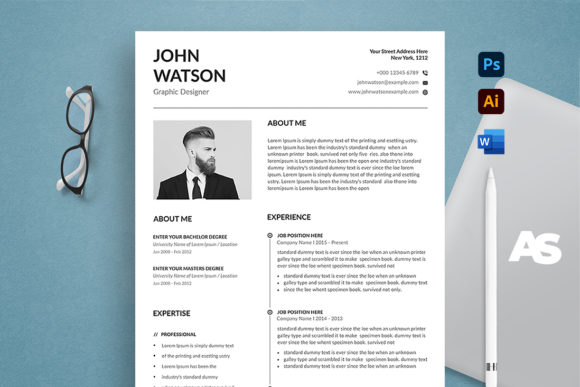
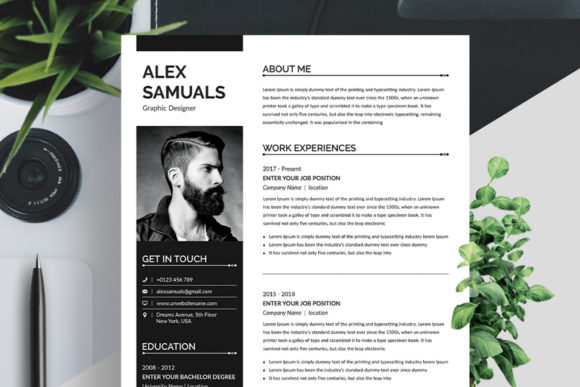
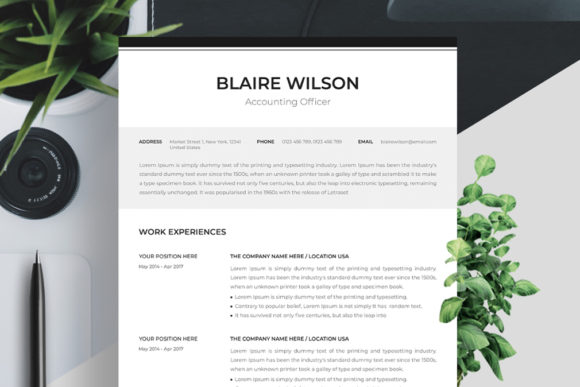
Think of your resume or CV as the cover of your professional story. Before a single word about your experience is read, the visual presentation speaks volumes. A cluttered, inconsistent layout can subconsciously signal disorganization, while a clean, modern design conveys attention to detail and professionalism. This isn't about flashy graphics or complex layouts; it's about clarity and ease of reading. A template crafted with intentional spacing, logical hierarchy, and a balanced typography pairing ensures the recruiter's eye flows naturally from your name to your most recent achievement. It builds immediate credibility, which is a critical component of your personal brand identity.
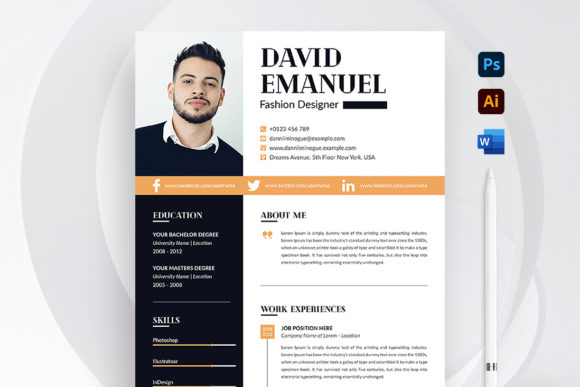
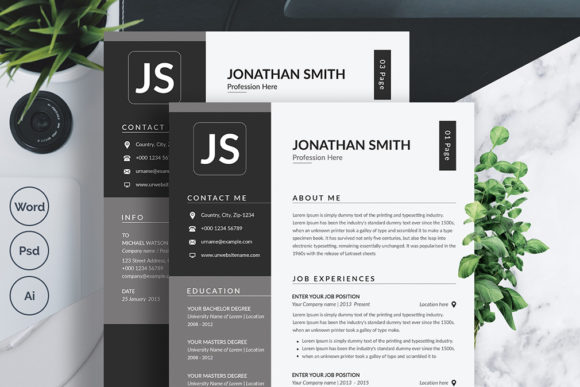
The real value of a resource like a Clean Resume / CV Template with MS Word lies in its dual nature. It provides a visually appealing, print-ready foundation while being housed in software you already know. This means you can focus on the substance of your career narrative rather than getting bogged down in technical formatting issues. The template mentioned here, for instance, comes with bleed settings and a CMYK color profile, making it equally ready for a high-quality digital submission or a physical printout for an interview. This level of polish is what separates a good application from a great one.
Beyond the Job Hunt: Versatile Applications for a Professional Layout
While the primary use is obvious, the design principles behind a premium resume template offer surprising versatility. The same clean aesthetics that make your work history digestible can be adapted for other professional documents, creating a cohesive suite of materials. Consider how the same visual language could be applied to:
- Portfolio Presentations: Use the structured layout to showcase project case studies, ensuring your creative work is presented with the same professionalism as your written experience.
- Business Proposals & One-Pagers: For freelancers and entrepreneurs, adapting the template's grid and typography can help create compelling service outlines or partnership proposals that look sharp and trustworthy.
- Speaker Sheets or Media Kits: If you're a content creator, blogger, or public speaker, a well-designed one-page summary of your topics, audience, and past engagements is invaluable. The template's organized sections provide a perfect starting framework.
This approach to editorial design and document creation is about efficiency and brand consistency. By using a professionally organized base, you ensure that every touchpoint—from your resume to a follow-up proposal—reinforces the same competent and detail-oriented image. It’s a practical application of modern typography principles for real-world business communication.
Practical Tips for Making the Template Your Own
Getting a template is one thing; making it authentically yours is another. The goal is not to simply fill in the blanks, but to use the structure as a springboard for your unique story. Here’s how to approach the customization process effectively:
- Strategic Color Choices: The template likely uses a neutral palette. Consider adding a single accent color that aligns with your personal brand or industry. A deep navy or a muted teal for headings can add personality without sacrificing readability. Always test how it looks in both print and on screen.
- Font Pairing Fidelity: A good template will suggest or include complementary fonts. Stick to the provided pairing unless you have a strong reason to change. If you do swap fonts, maintain the hierarchy—one font for headings, another for body text. Ensure any new font is a commercial font with proper licensing for professional use.
- Content Overhaul: Don't just list job duties. Use the template's clear sections to tell a story of impact. Start bullet points with strong action verbs and quantify results wherever possible. The clean layout should make these achievements pop, not get lost in a wall of text.
- Test the Flow: Print a physical copy and read it aloud. Does the information guide the reader logically? Is there enough white space to let the content breathe? A clean resume design should feel effortless to scan, not cramped or overwhelming.
Remember, the template is a tool to enhance your professional presentation, not replace your content. Its strength lies in its ability to organize information beautifully, allowing your skills and experience to take center stage. Whether you're a designer refining your portfolio, a marketer crafting a brand identity touchpoint, or a small business owner preparing a business proposal, starting with a solid, editable foundation saves time and elevates the final product. It’s about working smarter to put your best foot forward in a competitive landscape.