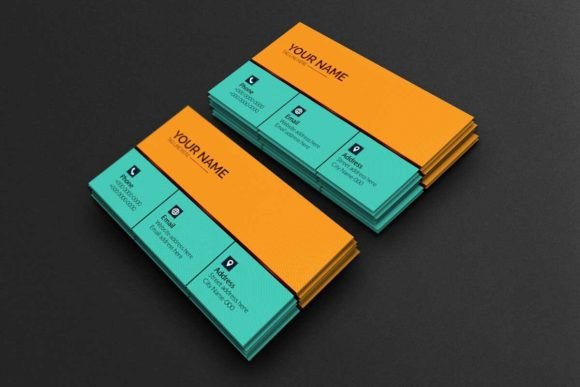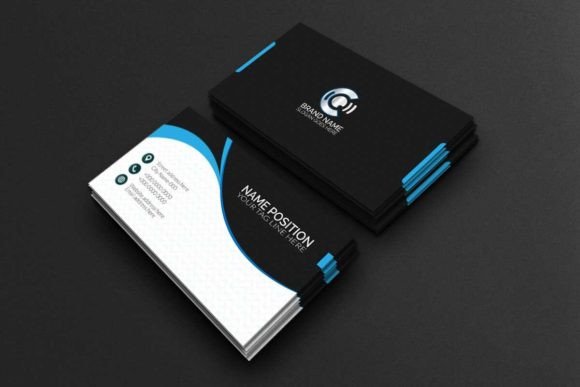
Elevate Your First Impression with a Custom Business Card
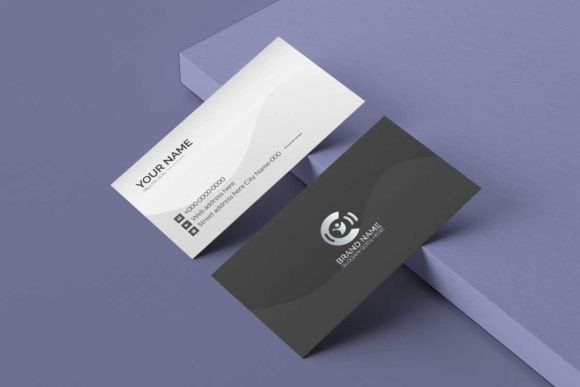
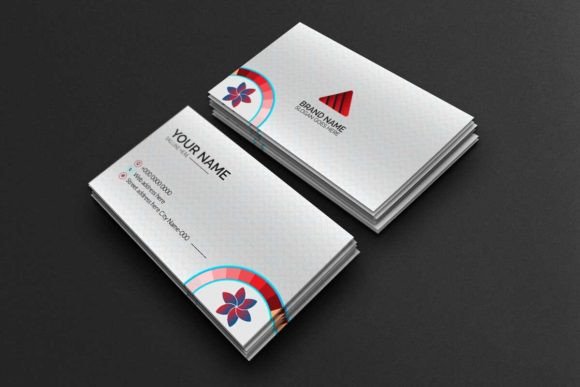
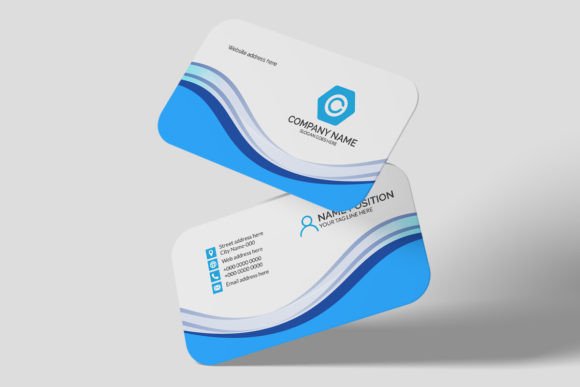
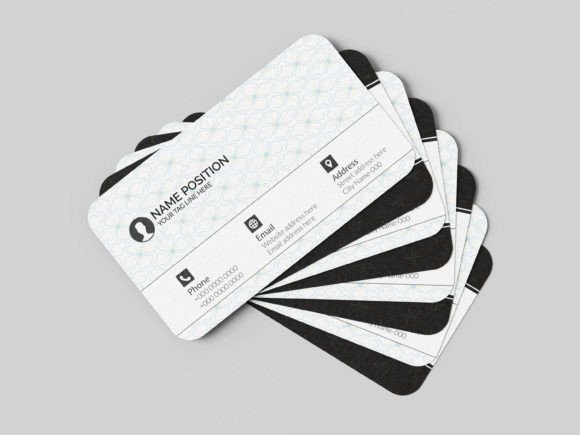
You know that moment when you hand over a business card and pause for just a second, hoping the other person will appreciate it? That small rectangle of cardstock carries more weight than we often realize. It's not just contact information—it's a tactile handshake, a visual promise about who you are and what you bring to the table. A Unique Custom Business Card template gives you the creative freedom to make that moment count, without needing a design agency budget or weeks of back-and-forth revisions.
This particular template stands out because it bridges the gap between professional polish and personal customization. It's built for Adobe Photoshop and Adobe Illustrator, which means if you have even basic familiarity with either tool, you can make it yours. The download arrives as a ZIP archive containing AI files for both card sides, IDML files for broader compatibility, and everything set up with CMYK color mode at 300dpi—exactly what any print shop expects. The 3.5×2 inch standard size (with a 2×3.5 inch vertical option) means it fits right into any cardholder or wallet without awkward trimming.
Why Vector Shapes and Separate Layers Actually Matter
Here's something many template buyers overlook until it's too late: scalability. A rasterized business card design looks fine on screen but falls apart the moment you need to resize it for a social media avatar, a website badge, or a presentation slide. This template uses vector shapes, so every element scales cleanly from a tiny favicon to a large poster without losing sharpness. That's the kind of forward-thinking design asset that keeps paying dividends long after you've printed your first batch of cards.
The separate layers are another quiet hero of this package. Instead of wrestling with a flattened file where every text element and background texture is merged into one layer, you get organized, editable components. Want to swap the background color? It's on its own layer. Need to adjust the logo placement without disrupting the contact details? That's isolated too. Add in paragraph styles and bleeds already configured, and you're looking at a template that respects your time. You spend minutes customizing instead of hours troubleshooting file setup.
The included links to free fonts eliminate another common headache. You won't need to hunt down typefaces, worry about licensing fees for your first print run, or discover mid-project that a font costs $40. Everything you need to get started ships with the download.
Practical Applications Beyond the Card Itself
A well-designed business card template rarely stays confined to a 3.5×2 inch rectangle. Think of the visual language it establishes—the color palette, the typography hierarchy, the spacing rhythm. Those same elements can anchor an entire brand identity.
Consider using the design system from your card to build out:
- Social media graphics that maintain visual consistency across Instagram posts, LinkedIn banners, and Twitter headers
- Packaging design for product labels, thank-you cards, or box inserts that echo the same aesthetic
- Website elements like header styles, button treatments, and section dividers that flow from the same design DNA
- Marketing assets including email signatures, PDF proposals, and digital brochures
- Invitations and editorial layouts for events, lookbooks, or printed portfolios
- Merchandise such as stickers, tote bags, or apparel tags
This kind of visual consistency isn't just aesthetically pleasing—it builds brand recognition. When someone sees your Instagram post and later picks up your business card, the connection should feel immediate and intuitive. That's how small businesses punch above their weight visually.
Matching Design Choices to Your Brand Personality
Not every business card should look the same, and that's exactly the point of a customizable template. A freelance photographer might lean into bold, high-contrast layouts with dramatic imagery. A wellness coach might prefer softer tones and generous white space. A tech startup founder might want clean lines and a modern typography approach that signals innovation.
Before you start editing, spend ten minutes thinking about three things:
- Who holds this card? Picture your ideal client or collaborator. What visual language speaks to them? A serif font conveys tradition and authority, while a sans serif font feels contemporary and approachable. A script font adds personality but needs careful handling to stay readable at small sizes.
- Where does this card live? If it's going into a networking event pile with fifty other cards, you need something that stands out without being garish. If it's accompanying a premium product, the paper stock and finish matter as much as the design.
- What's the one thing you want remembered? Your name? Your service? A tagline? Build the visual hierarchy around that priority.
This template's flexibility lets you test different approaches quickly. Duplicate the file, try a darker background with lighter text, compare it against a minimal white layout, and see which version feels right. That iterative process is where good design lives.
Readability Is Non-Negotiable
It's tempting to choose a creative font that looks stunning at 72pt on your monitor. But business cards operate at a different scale entirely. Your contact details need to be legible at 8–10pt, often under imperfect lighting conditions. This is where the template's thoughtful typography setup pays off—the paragraph styles are already calibrated for print readability.
A few practical guidelines as you customize:
- Keep body text (phone number, email, address) in a clean, medium-weight typeface. Save the decorative choices for your name or tagline.
- Test print your design at actual size before committing to a full run. What looks balanced on screen can feel cramped or sparse on paper.
- Mind the bleed area. The template includes bleed setup, but make sure any background colors or images extend into that zone to avoid white edges after trimming.
- If you're using a handwritten font for a personal touch, verify that every character remains distinguishable. Ambiguous letterforms might charm on a poster but frustrate someone trying to email you.
From Template to Tangible Asset
The real value of a Unique Custom Business Card template isn't the file itself—it's what you do with it. A photographer might customize it for a gallery opening, then adapt the same layout for a client welcome packet. A small business owner could use it as the foundation for a cohesive visual system that extends across every customer touchpoint. A content creator might find that the card design sparks ideas for YouTube thumbnails or podcast cover art.
The commercial-friendly setup means you can use the results across client projects too, which is particularly valuable for designers and marketing professionals who need reliable, professional starting points. Just confirm the licensing terms cover your intended use before distributing finished designs.
What makes this template genuinely useful isn't any single feature—it's the combination. Vector scalability, organized layers, print-ready color profiles, free font access, and a design that balances elegance with editability. You're not buying a static image. You're getting a flexible design system that adapts as your brand evolves, your client list grows, and your visual standards rise to match your ambitions.
Print a stack, hand them out with confidence, and let that small rectangle do what it does best—start conversations that matter.