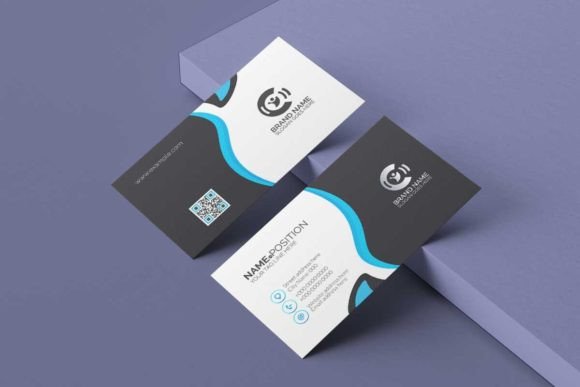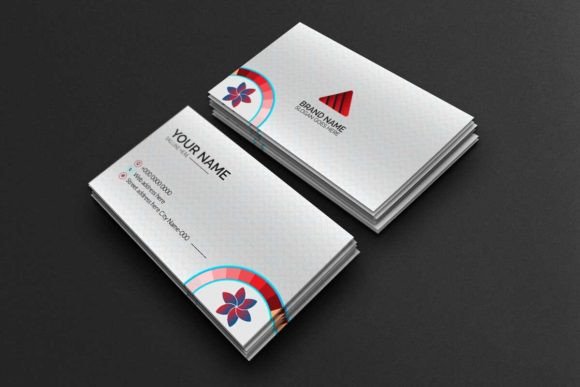
Elevate Your First Impression: A Premium Business Card Template
In the world of networking and first impressions, your business card is often the first tangible piece of your brand someone holds. It’s more than just contact information; it’s a miniature billboard for your professionalism, style, and attention to detail. A cluttered, generic card can undermine even the most compelling pitch, while a clean, elegant one reinforces your message before you’ve even finished your introduction. That’s where having the right design asset becomes crucial, not just for aesthetics but for effective communication.
The Anatomy of a Professional Template
A truly effective business card template goes beyond a simple layout. The Clean Business Card Template is built with the fundamentals of professional print design in mind. It operates in CMYK color mode, ensuring the colors you see on screen translate accurately to the printed version. With a high resolution of 300dpi, every line and letterform will be crisp and sharp. The standard dimensions of 3.5×2 inches (and the vertical 2×3.5 inch option) provide ample space for your information without feeling cramped, adhering to the universal expectations of a business card.
What makes this template particularly valuable for designers and entrepreneurs is its foundation in vector shapes. This means the entire design is scalable without any loss of quality. Whether you need to adjust the size for a special print run or repurpose elements for other branding materials, the integrity of the design remains perfect. The separate layers and organized file structure, compatible with both Adobe Photoshop and Adobe Illustrator, allow for deep customization. You can move elements, adjust colors, and modify text with precision, making the template truly your own.
From Card to Complete Brand Identity
The true power of a well-designed template like this is its versatility. The clean, minimalist aesthetic serves as a perfect starting point for building a cohesive visual language. The same principles that make a business card look professional—balanced spacing, thoughtful typography, and restrained color palettes—apply directly to other critical branding materials.
Imagine taking the logo design you finalize on your card and applying it to your packaging. The clean lines and modern typography translate beautifully to product labels, shopping bags, and shipping boxes. This consistency builds immediate brand recognition. Your social media graphics, from Instagram stories to LinkedIn banners, can pull the same color scheme and font pairings, creating a seamless experience for your audience whether they’re holding your card or scrolling through their feed. For a website or blog, using the same font family and color codes establishes a professional, trustworthy atmosphere from the homepage to the contact form.
The applications extend further into marketing assets. Think about the invitations you send for a product launch, the posters for a local event, or the merchandise like mugs and notebooks. Using this core design template ensures every touchpoint feels intentional and unified. This visual consistency is a silent ambassador for your brand, communicating reliability and meticulousness to potential clients, partners, and customers.
Making Smart Design Choices for Your Project
Having a premium template is the first step; using it effectively is the next. The included free fonts are a great starting point, but it’s worth considering how they align with your project’s goals. A sleek, sans-serif font conveys modernity and approachability, ideal for a tech startup or a freelance consultant. A classic serif might better suit a law firm or a boutique publisher, suggesting tradition and authority.
Before finalizing your design, test your font pairings. The template likely includes a heading font and a body font. Ensure they complement each other without competing. Readability is paramount—your name and contact information must be legible at a glance. Print a test copy. What looks clear on a high-resolution screen can sometimes become muddy on certain paper stocks, especially with very thin or overly decorative typefaces.
Also, think about the commercial licensing of any assets you use. While the template provides free fonts for this project, if you plan to use them across a wide range of merchandise or digital products for sale, verify the license covers that use. This due diligence protects you and ensures your brand assets are built on a solid, legal foundation. The goal is to create a design system, not just a single file, and understanding your assets is key to that process.
Practical Customization and Final Touches
The download includes everything you need to start immediately: the AI file for Illustrator with both sides of the card, IDML files for broader compatibility, and all necessary bleeds. The bleeds are that extra margin around the edge that ensures your background color or image extends perfectly to the trim line after cutting, eliminating any unwanted white edges.
When you open the file, take advantage of the separate layers. Organize your information logically—perhaps one layer for your logo, another for your name and title, and a third for contact details. This organization makes future edits a breeze. If you’re creating cards for a team, you can easily duplicate the template and swap out individual information while maintaining absolute design consistency across the entire staff.
Finally, consider the physical product. The template is designed for standard printing, but the choice of paper stock can dramatically affect the final impression. A matte finish offers a sophisticated, tactile feel, while a glossy one makes colors pop. A heavier card stock weight (like 16pt or 18pt) conveys quality and durability. Your digital design and your physical printing choices work hand-in-hand to create that memorable moment when someone receives your card.
Ultimately, a clean business card template is more than a time-saver. It’s a strategic tool for building a professional image, ensuring brand consistency across all platforms, and communicating your value through thoughtful design. It provides the structure, allowing you to focus on the creative details that make your brand uniquely yours.