ChatMate V1: Your Dashboard for Conversational AI Insights
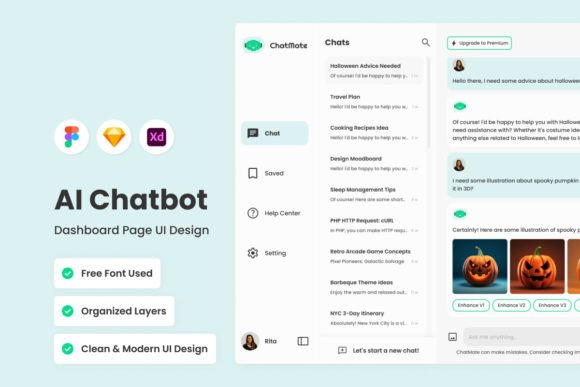
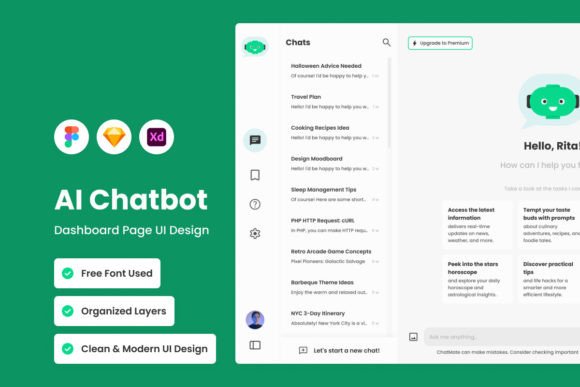
Imagine having a single, beautifully organized command center for every conversation your chatbot has. That's the core promise of ChatMate - AI Chatbot Dashboard V1. It's not just another data panel; it's a thoughtfully designed environment where raw interaction data transforms into clear, actionable insights. For anyone managing a chatbot—whether you're a developer, a marketer, or a small business owner—this dashboard is built to give you clarity and control without the clutter. The modern, clean interface feels intuitive from the first click, presenting performance metrics and user feedback in a way that's immediately understandable. It’s about moving beyond just collecting data to actually understanding and improving your chatbot's conversations.
A Design Philosophy Built for Clarity and Speed
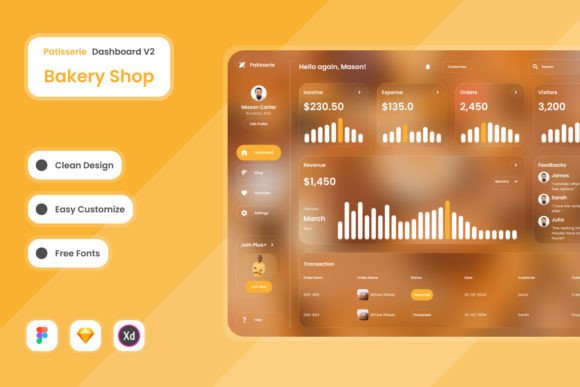
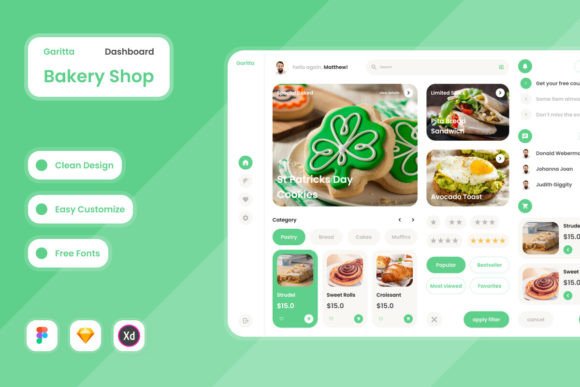
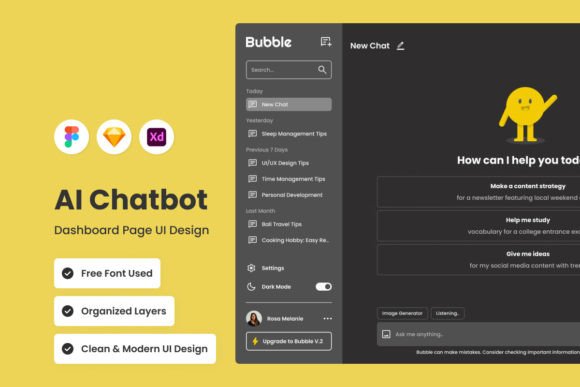
What makes this dashboard visually compelling is its commitment to a clean, modern aesthetic that prioritizes usability. The layout is meticulously organized, with layers and components neatly structured in design files. This isn't just about looking good—it's about reducing cognitive load. When you're analyzing chatbot performance, you need to find key metrics fast. The thoughtful use of space, clear typography, and a cohesive color system guide your eye naturally to the most important information. Whether you're viewing it on a desktop during a deep-dive analysis or checking a quick stat on your mobile device, the responsive design ensures a seamless experience. The use of open source fonts and free vector icons is a practical choice, ensuring the design is both accessible and easy to adapt without licensing headaches. For designers and developers, the fact that it's built with global text and color styles means making a brand-specific adjustment is a matter of minutes, not hours.
From Data to Decisions: Practical Applications
The real value of ChatMate V1 lies in how it translates data into better business outcomes. Consider these practical scenarios:
- Improving Customer Support: By tracking common user queries and drop-off points in conversations, you can identify where your chatbot needs refinement, leading to higher satisfaction and fewer escalated tickets.
- Optimizing Marketing Funnels: See which chatbot scripts or conversational paths lead to the most conversions. Use this data to A/B test welcome messages or product recommendation flows.
- Product Development & Content Strategy: Analyze the questions users ask most frequently. This is direct, unfiltered feedback that can inform new blog posts, FAQ pages, or even features for your next product update.
- Brand Voice Consistency: Review conversation logs to ensure your chatbot's tone and responses align perfectly with your brand identity, maintaining a consistent experience across all touchpoints.
It empowers you to move from guessing to knowing, using concrete interaction data to drive engagement and efficiency.
Integrating ChatMate into Your Design and Branding Workflow
For the design-conscious professional, the utility of ChatMate - AI Chatbot Dashboard V1 extends far beyond its functional data display. It serves as a powerful design asset and a case study in excellent UI/UX design. The principles it embodies—clean layout, intuitive navigation, and visual hierarchy—are directly applicable to a wide range of projects.
For Web and App Designers: Study its component structure. How does it use cards, charts, and data tables? How is the mobile version reorganized for touch? These patterns can inspire your own dashboards, admin panels, or data-rich interfaces. The consistent use of global styles is a masterclass in building scalable design systems.
For Brand Strategists and Content Creators: The dashboard's visual clarity can influence your approach to social media graphics or marketing assets. When presenting chatbot performance to stakeholders, a clean, professional-looking report built on a similar aesthetic enhances credibility and ensures your key takeaways aren't lost in a messy layout. It’s a tool for visual communication.
For Packaging and Editorial Designers: While seemingly unrelated, the dashboard's skillful balance of information density and whitespace is a lesson applicable to packaging design (where you must convey key details quickly) and editorial layouts (where text and imagery must coexist harmoniously). The underlying design logic is universal.
Practical Tips for Leveraging This Design System
Getting the most out of a tool like ChatMate V1 involves more than just looking at the numbers. Here’s how to apply its design and functional insights practically:
- Customize for Your Brand: Don't just use the default colors. Take advantage of the organized layers and global styles to quickly apply your brand's color palette and preferred sans serif font or serif font. This turns a generic tool into a natural extension of your brand identity.
- Focus on Key Metrics First: Avoid analysis paralysis. Decide on 2-3 core metrics that align with your current goals (e.g., conversion rate, user satisfaction score, top unresolved query). Use the dashboard's layout to keep these always in view.
- Combine Quantitative with Qualitative: Don't just look at the graphs. Regularly review actual conversation logs. The numbers tell you what is happening; the conversations often tell you why.
- Use the Visuals for Reporting: Leverage the dashboard's clean charts and graphs in your internal presentations or client reports. A well-designed visual is far more persuasive than a spreadsheet row.
Remember, the goal is to foster better conversations. This dashboard is the instrument that lets you listen, learn, and iterate with precision.
Compatibility and Forward Thinking
In today's multi-tool design environment, compatibility is key. ChatMate V1 acknowledges this by being fully compatible with Figma, Sketch, and Adobe XD. This flexibility means you can integrate it into your existing workflow seamlessly, whether you're a solo designer or part of a larger team using different software. It’s built as a living component of a modern design toolkit. The inclusion of open source fonts also speaks to a forward-thinking, accessible approach, ensuring that the design can be used and modified without restrictive licensing—a significant advantage for startups and creators. As you embark on refining your chatbot's performance, this dashboard provides not just a window into its health, but a canvas on which to build a better, more engaging conversational experience for your audience. It’s a practical tool designed for the real-world demands of managing and improving AI-driven interactions.